
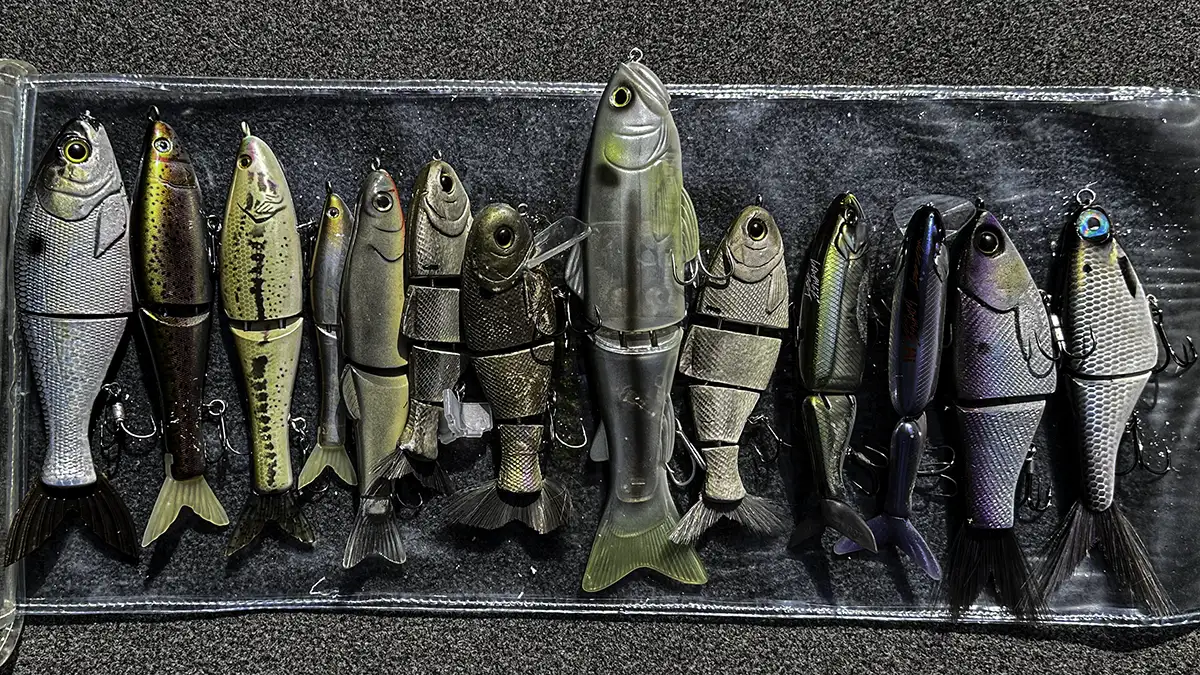
Glide baits have become one of the most effective tools for targeting bigger bass in South African waters. Their natural swimming action, large profile, and ability to imitate wounded baitfish make them deadly in dams, rivers, and impoundments across the country. But not every glide bait works in every situation. Choosing the correct glide bait depends on water clarity, forage size, depth, weather, and fishing pressure.
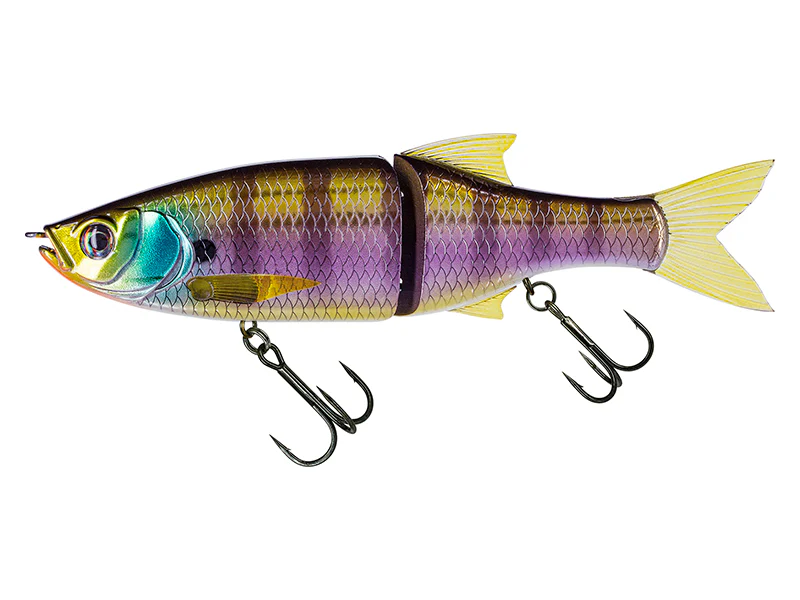
The first thing to consider is the size of the baitfish in the dam you are fishing. South African bass commonly feed on juvenile carp, kurper, small bass, barbel fry, and baitfish species found in local impoundments. Matching the size of the forage is critical. In most South African bass waters, glide baits between 100 mm and 180 mm are the most versatile. Smaller glide baits work well in heavily pressured dams or when fish are feeding on smaller baitfish, while larger glide baits are ideal when specifically targeting trophy bass.
Water clarity is another major factor when selecting a glide bait colour. In clear water, natural patterns consistently perform best. Colours like ghost shad, silver, olive, perch, and translucent finishes create a realistic appearance that does not spook pressured fish. In dirtier water, bass rely more on visibility and silhouette. White, black, chartreuse, and high-contrast colours become far more effective in stained conditions.
South African dams often change colour quickly after rain or water movement, so carrying both natural and high-visibility colours is important. A lure that works perfectly one week may become nearly invisible the next.
Sink rate is one of the most overlooked parts of glide bait selection. Floating glide baits are excellent around shallow grass, flooded timber, and rocky banks where snagging is a concern. Slow-sinking glide baits are generally the best all-round option for South African bass fishing because they allow anglers to control depth throughout the retrieve. Fast-sinking glide baits are more suited to deep structure, suspended fish, or colder conditions where bass are holding deeper.
Seasonal patterns heavily influence glide bait performance. During spring and summer, bass are more aggressive and willing to chase wider-gliding baits with more action. In winter or during cold fronts, a tighter glide bait worked slowly often produces better results. South African bass can become extremely cautious in highly pressured waters, and subtle movement frequently outfishes aggressive presentations.
Fishing pressure should always influence lure choice. Popular dams receive heavy angling pressure, and bass quickly become conditioned to loud, fast-moving reaction baits. Glide baits offer a more natural presentation, but selecting a realistic profile and slowing down the retrieve can make a massive difference in pressured systems.
Retrieval technique is equally important. Many anglers fish glide baits too quickly. The key is allowing the lure to work naturally. Slow retrieves combined with soft rod twitches create the smooth side-to-side action glide baits are known for. Pauses are critical, especially around structure or following fish. Many strikes happen when the bait changes direction or stalls during the retrieve.
Weather conditions can dramatically improve glide bait fishing. Wind, cloud cover, and low-light conditions often encourage larger bass to feed more aggressively in open water. Wind also helps disguise the lure and breaks up visibility, making bass less cautious. Bright, calm conditions may require downsizing or switching to more subtle colours and retrieves.
Rod and tackle setup also matter when fishing glide baits. Many modern glide baits are heavier than standard bass lures, and using underpowered tackle reduces casting distance and hook-up ratios. A medium-heavy or heavy rod with a moderate action gives better control during the retrieve and helps keep fish pinned during the fight. Braided main line paired with a fluorocarbon leader is a popular setup for South African bass anglers because it provides sensitivity, casting distance, and abrasion resistance.
One of the biggest mental adjustments with glide bait fishing is understanding that the goal is quality over quantity. Glide baits may not produce dozens of fish in a session, but they consistently attract larger bass. Big bass are opportunistic predators, and a well-presented glide bait often triggers reaction strikes from fish that ignore smaller lures.
South African bass waters offer excellent glide bait opportunities, especially in clear impoundments with healthy baitfish populations. By selecting the correct size, colour, sink rate, and retrieve style for the conditions, anglers can dramatically improve their chances of connecting with trophy-class bass. Glide bait fishing is not simply about throwing a large lure — it is about presenting a realistic, controlled profile that convinces bigger fish an easy meal is swimming past them.