
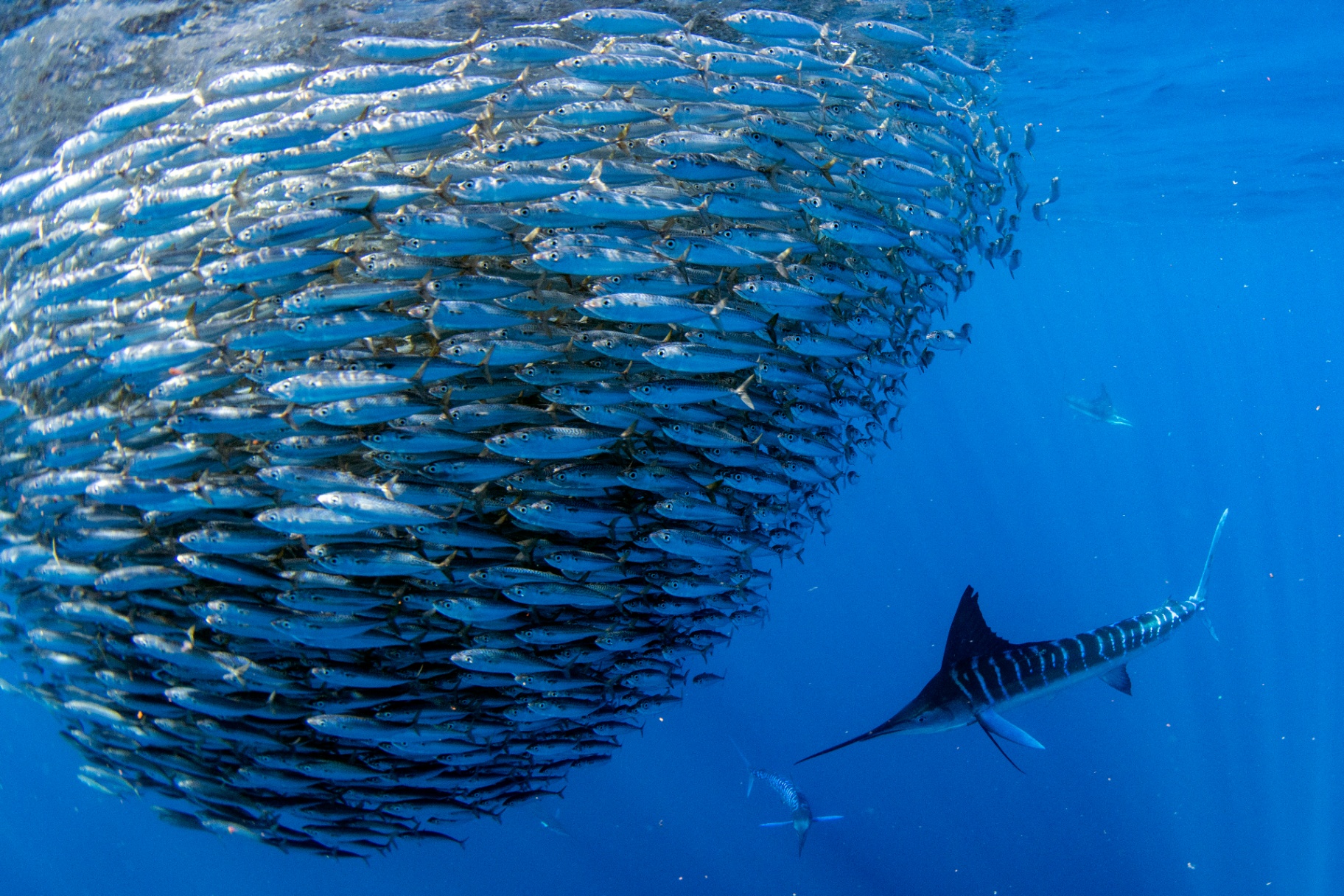
The annual sardine run is one of South Africa's most spectacular natural events and a dream experience for any angler, diver, photographer, or ocean enthusiast. Every year during the South African winter, massive shoals of sardines migrate up the east coast, attracting an incredible concentration of marine predators including game fish, sharks, dolphins, whales, seabirds, and countless other species. For fishermen especially, the sardine run represents one of the most exciting opportunities of the year.
Preparation is the difference between simply witnessing the chaos and fully capitalising on it. The sardine run is unpredictable, fast-moving, and heavily influenced by weather, water temperature, currents, and bait movement. Anglers who arrive prepared with the right mindset, tackle, and planning often experience unforgettable fishing.
The sardine run typically takes place between May and July along the KwaZulu-Natal coastline, although timing changes slightly every year depending on ocean conditions. The migration usually begins further south near the Eastern Cape before moving northward along the coast toward areas such as Port Edward, Margate, Hibberdene, Scottburgh, Amanzimtoti, Durban, and occasionally beyond.
Understanding the conditions that trigger the sardine run is important. Sardines prefer cooler water temperatures, generally below 21 degrees Celsius. Cold currents moving up the coast create pathways that allow the shoals to travel north. When these currents push closer to shore, the action can become explosive as predators trap baitfish in shallow water.
One of the most important parts of preparing for the sardine run is staying informed. Conditions can change daily, and the shoals may move significant distances overnight. Successful anglers constantly monitor social media reports, local fishing groups, ski-boat clubs, and coastal updates. Many fishermen rely on word-of-mouth communication and real-time reports from other anglers already on the water.
Flexibility is critical. The sardine run rarely follows a perfect schedule, and anglers willing to travel at short notice often experience the best fishing. Keeping tackle prepared and maintaining flexible plans allows you to react quickly when reports of active shoals emerge.
Choosing the correct tackle setup depends on how you plan to fish during the run. Spinning tackle is one of the most versatile choices because feeding activity often happens rapidly near the surface. Medium-heavy spinning rods paired with strong reels and braided line allow anglers to cast spoons, plugs, paddle tails, and stickbaits long distances into feeding fish.
Predator species during the sardine run can vary dramatically. Garrick, kingfish, shad, tuna, bonito, queenfish, kob, snoek, and even massive GTs may appear around active shoals. This means anglers should prepare for a wide range of conditions and fish sizes. Carrying multiple rod setups prevents wasted opportunities when fish behavior changes suddenly.
Metal spoons remain one of the most effective sardine run lures in South Africa. Their casting distance and ability to imitate fleeing baitfish make them ideal when predators are smashing sardines near the surface. Chrome, silver, white, and sardine-pattern colours consistently perform well. Fast retrieves often trigger reaction strikes from aggressive feeding fish.
Soft plastics have also become increasingly popular during the sardine run. Paddle tails rigged on jig heads closely imitate injured sardines and can be worked at multiple depths. Natural baitfish colours usually perform best in cleaner water, while brighter colours can help visibility in dirty surf conditions.
Topwater lures can produce some of the most explosive strikes imaginable during active feeding periods. Surface plugs, stickbaits, and poppers become extremely effective when predators are pushing bait to the surface. Few experiences compare to watching a kingfish or garrick destroy a surface lure in foaming water surrounded by diving birds and fleeing sardines.
Terminal tackle preparation is equally important. Sardine run fishing is chaotic, and weak split rings, poor-quality hooks, or light leaders quickly become failures when powerful fish are feeding aggressively. Replacing factory hooks and carrying spare leaders, swivels, pliers, and braid scissors is essential.
Boat anglers and ski-boat fishermen face additional preparation requirements. Safety becomes especially important because winter sea conditions along the KwaZulu-Natal coast can change rapidly. Checking weather forecasts, swell size, wind direction, and launch conditions is critical before heading offshore. The excitement of the sardine run should never override basic boating safety.
Fuel planning also matters. Chasing shoals can require long runs along the coastline, especially when the bait moves quickly. Many experienced anglers carry additional fuel reserves and maintain constant communication with other boats searching for activity.
Beach anglers should prepare for mobility. Sardine shoals may appear suddenly several kilometres away from your current position. Travelling light with organised tackle allows anglers to move quickly when action develops. Many successful shore anglers use backpacks or waist tackle systems rather than carrying excessive equipment.
Polarised sunglasses are one of the most valuable pieces of gear during the sardine run. They help anglers spot bird activity, bait movement, colour lines, and feeding fish more effectively. Often the first sign of active sardines is birds diving aggressively offshore.
Understanding bird behavior is extremely valuable during the sardine run. Gannets, terns, and gulls often reveal the location of feeding predators before fish become visible. Large concentrations of diving birds usually indicate active bait schools below the surface. Learning to read bird movement can dramatically improve success.
Physical preparation is often overlooked. Sardine run fishing can involve long days, rough surf, heavy casting, and constant movement. Hydration, proper footwear, sun protection, and weatherproof clothing are essential. Winter mornings on the South African coast can be cold and windy before conditions warm up later in the day.
Respect for the ocean is crucial during the sardine run. The excitement and feeding frenzy attract many people into dangerous surf and crowded boating conditions. Large sharks are commonly present around active shoals, and rough sea conditions can develop quickly. Staying aware of your surroundings and avoiding unnecessary risks is part of responsible fishing.
Conservation should also remain a priority. While the sardine run creates incredible fishing opportunities, responsible harvesting and ethical angling are important for protecting the fishery. Taking only what you need and handling fish properly helps preserve the experience for future generations.
For many South African anglers, the sardine run is more than just fishing — it is an annual tradition. The anticipation, preparation, road trips, early mornings, and unpredictable chaos all form part of the experience. Every season tells a different story, and no two sardine runs are ever exactly the same.
Being properly prepared allows anglers to maximise every opportunity when the action begins. With the right tackle, flexible planning, awareness of conditions, and respect for the ocean, the South African sardine run becomes one of the most thrilling fishing adventures available anywhere in the world.