
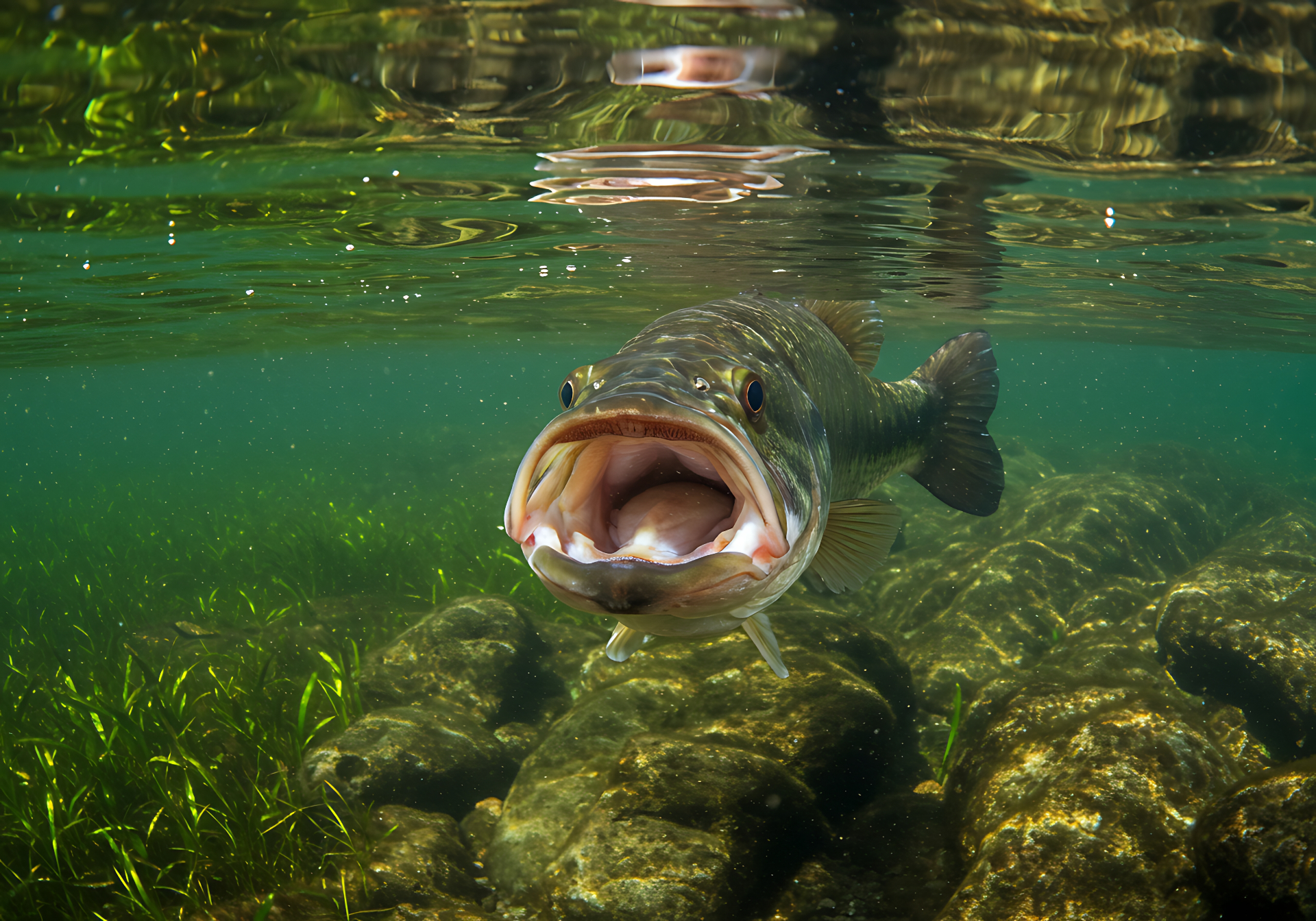
Autumn is one of the most underrated yet productive seasons for bass fishing in South Africa. As water temperatures begin to cool after the intense summer heat, bass behavior changes dramatically. Fish become more predictable, baitfish movement increases, and feeding activity often intensifies as bass prepare for winter. For anglers who understand seasonal transitions, autumn can produce some of the best quality fishing of the year.
One of the biggest reasons autumn bass fishing is so effective is because bass begin feeding heavily before winter slows their metabolism. Unlike the aggressive spawning behavior of spring or the unpredictable heat patterns of summer, autumn bass tend to focus almost entirely on feeding. Their goal is simple — build energy reserves before colder conditions arrive.
In South African waters, autumn conditions vary depending on the region. In KwaZulu-Natal and warmer coastal provinces, water temperatures remain relatively stable for longer, while inland provinces like Gauteng, Free State, and Mpumalanga experience faster cooling. Understanding how quickly temperatures are dropping in your local dam is critical because bass activity often follows temperature changes more than the calendar itself.
During early autumn, bass can still behave similarly to summer patterns. Fish remain active around weed lines, shallow points, and structure during low-light periods such as early morning and late afternoon. As temperatures continue dropping, however, bass begin moving toward transition areas — zones connecting shallow feeding flats to deeper water. These transition routes become key holding areas throughout the season.
Points, channel swings, submerged roadbeds, rocky ledges, and creek mouths are all high-percentage autumn locations. Bass use these structures as feeding stations while following schools of baitfish moving into more stable water temperatures. Finding bait is often the fastest way to find bass during autumn.
Electronics play a massive role in modern autumn bass fishing. Side imaging and forward-facing sonar allow anglers to locate suspended bait schools and identify isolated fish holding nearby. In South African impoundments where bass often suspend offshore during autumn, technology can dramatically shorten the search process. However, even anglers without advanced electronics can succeed by focusing on traditional seasonal structure.
Wind becomes one of the most important factors during autumn. Wind pushes plankton and baitfish toward certain banks and points, and bass usually follow. Windblown banks can become feeding zones, especially when baitfish are visibly active near the surface. Many experienced South African anglers specifically target wind-exposed structure during autumn because it often concentrates feeding fish.
Lure selection during autumn should revolve around baitfish imitation. Bass are feeding aggressively on available forage, making moving baits extremely effective. Spinnerbaits, chatterbaits, swimbaits, glide baits, lipless crankbaits, and jerkbaits all excel during this season.
Lipless crankbaits are particularly deadly in South African autumn conditions. Their ability to cover water quickly while imitating fleeing baitfish makes them ideal for locating active fish. Red, chrome, shad, and natural baitfish colours often perform well depending on water clarity.
Jerkbaits also become highly effective as water temperatures cool. Bass tend to react aggressively to suspending presentations during autumn, especially around transition structure and deeper points. The key is varying pause lengths until fish reveal their preferred retrieve speed.
Soft plastics remain important as well, especially when cold fronts pass through. South African autumn weather can change rapidly, and bass often become less aggressive after sudden temperature drops or barometric pressure changes. Texas-rigged creature baits, finesse worms, and football jigs worked slowly along deeper structure can save difficult fishing days.
One common mistake anglers make during autumn is fishing too shallow for too long. While bass will still move shallow to feed, especially during low-light periods, many bigger fish spend large portions of the day slightly deeper than they did during summer. Focusing only on the bank often means missing quality fish positioned just offshore.
Time of day also changes during autumn. Unlike summer, where early mornings dominate, autumn bass often feed consistently throughout the day, especially when stable weather conditions exist. Midday can become surprisingly productive as slightly warmer water temperatures activate fish activity.
Water clarity influences autumn strategy significantly. Clear-water dams usually require more natural lure colours and longer casts because bass can become cautious in calm conditions. In stained water, vibration and profile become more important. Chatterbaits, spinnerbaits, and darker-coloured soft plastics help bass locate prey more easily.
Boat positioning is another important but overlooked factor. During autumn, bass frequently position along drop-offs and contour lines rather than sitting directly on visible cover. Anglers who maintain proper casting angles and work lures through depth transitions often catch more fish than those simply casting toward the shoreline.
Weather stability is critical in autumn fishing success. Several days of stable temperatures usually produce strong feeding windows, while sudden cold fronts can temporarily shut fish down. In South Africa, autumn cold fronts can move through quickly, bringing cooler nights and changing barometric pressure. After a front, slowing down presentations and targeting deeper structure usually produces better results.
One of the biggest advantages of autumn fishing is the opportunity to catch larger bass. Bigger fish often feed more aggressively during this season because they rely heavily on building reserves before winter. Large-profile swimbaits, glide baits, and jigs become excellent tools for specifically targeting quality fish.
Patience and adaptability are essential during autumn. Bass can shift depth quickly depending on weather conditions, bait movement, and light levels. Successful anglers constantly adjust their approach rather than relying on a single pattern throughout the day.
South African autumn bass fishing offers some of the most rewarding opportunities of the year. Cooler temperatures, active feeding behavior, and predictable fish movement create ideal conditions for anglers willing to understand the seasonal transition. Whether fishing small farm dams, major impoundments, or river systems, autumn consistently produces both numbers and quality fish.
By focusing on baitfish movement, transition structure, wind-blown areas, and adaptable lure selection, anglers can maximise their success throughout the season. Autumn is not simply the period before winter — for many experienced bass anglers, it is prime time for catching some of the biggest and healthiest bass of the year.